Everyone half-knows the story. The animal in the field is Saxon - cow, pig, sheep, calf - and the meat on the plate is French - beef, pork, mutton, veal - because the man who raised it was English and the man who ate it was Norman. Most of what you have been told about that story is wrong. What survives once you strip the wrongness out is better than the myth.
"Lord" means the man who guards the bread
The case against is strong, and most tellings pretend it does not exist. The famous animal-and-meat pairing was popularised not by a philologist but by a novelist: Walter Scott, in Ivanhoe, in 1819, through the mouth of a jester. The timeline is wrong for the tidy version. The French meat words seep into written English mostly from around 1300 - two centuries after Hastings. For a long time afterwards, "beef" could still mean the living animal, and the neat division of labour settled slowly, over generations (the dates are in the OED and on Etymonline, checkable by anyone). And the mechanism is utterly ordinary. Prestige languages always leak downwards. English took from French the way it later took from Latin and Greek, and "law" itself is Old Norse, because the Danes got there before the Normans did. Every conquest leaves loanwords. You do not need a romance about class war to explain a dictionary.
Concede all of it. The famous telling is fiction. The timeline is slow. The mechanism is the dullest in linguistics.
The pattern the debunking leaves standing
Now notice what the sceptic has actually explained: how the words arrived. Not where they settled. The borrowing mechanism accounts for the flow of French into English. It says nothing about which rooms the French words filled.
So sort them by function. From French: judge, jury, court, justice, prison, arrest, warrant, felony, government, parliament, council, state, sovereign, tax, attorney. Still English after a thousand years: work, house, home, hearth, bread, plough, love, life, death, folk. One list is the machinery for ruling people. The other is the business of being alive.
Prestige borrowing explains why French words came in. It does not choose which ones. Languages borrow where the prestige speakers are - and for three centuries after 1066 the prestige speakers sat in the courtroom, the treasury and the council chamber, not at the plough. The vocabulary is a seating plan. The debunkers are right about the legend, and in being right they confirm the record: the words landed exactly where the power sat, at exactly the speed power seeps.
The loaf
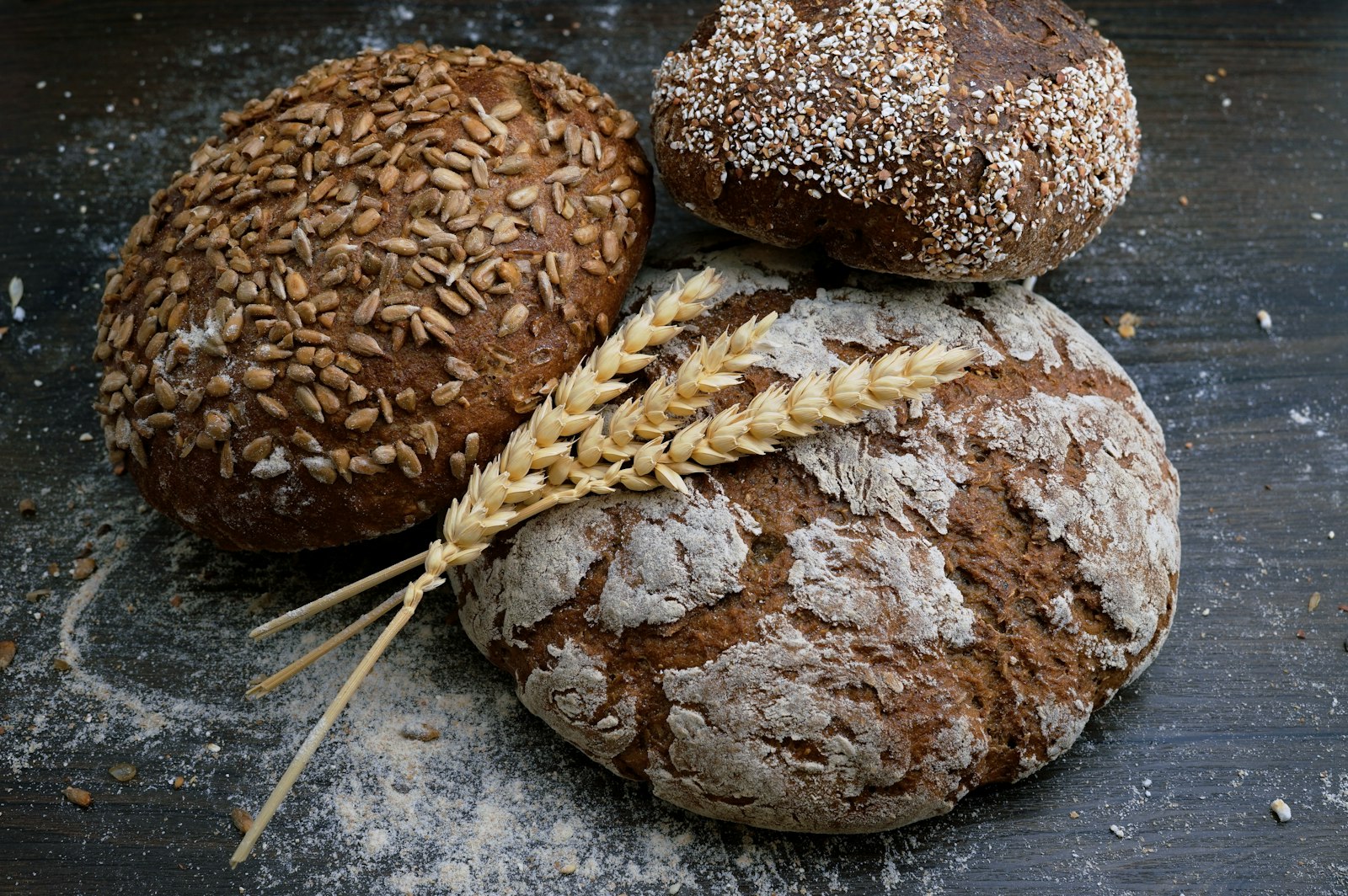
The oldest English word for authority makes the point better than any theory. "Lord" comes from the Old English hlafweard - the keeper of the loaf. "Lady" from hlaefdige - the kneader of it (both in the OED). The native English idea of authority, fossilised in the word itself, is the person who feeds the household. The imported idea of authority is jurisdiction: judgement, warrant, court.
That is not a claim that one people were kind and the other cruel. Conquerors' words describe what conquerors did; keepers' words describe what keepers did. The evidence is worth trusting precisely because nobody curated it. No chronicler chose the pattern, no movement planted it, no one alive has a stake in it.
What it does not license
It licenses no grievance. Nobody living is owed anything by anybody living on the strength of a word list. And it does not rescue the Saxon romance either: Anglo-Saxon England was no lost commonwealth - roughly one in ten people recorded in Domesday Book were slaves, on the standard estimates. The golden age was always partly a fiction, and this argument does not need it.
The claim that survives is smaller and harder than the legend: the record of who did what for whom is written into the words, and it outlives every debunking of the stories told on top of it. The legend can fall. The seating plan stays.
One last entry from the list. "Verdict" is an import too - Anglo-Norman verdit, from the Latin for "truly said". The word for handing down judgement had to be shipped in. The words for making the bread never did.
An opinion of the house. The argument is ours; the record beneath it belongs to no one.
How this piece was made
How this piece was made. The sceptic's case was steelmanned first and at full strength: the animal/meat pairing was popularised by fiction (Scott's Ivanhoe, 1819), the French meat words enter written English around 1300 rather than 1066 and the semantic split settles slowly, and prestige-language borrowing is an ordinary mechanism needing no class narrative - all of this conceded as true. What decided the piece is that the debunking explains the mechanism of borrowing, not its distribution: the French loanwords cluster in the vocabulary of law, coercion and administration while the vocabulary of work, food and home stays English, and "lord"/"lady" preserve a native idea of authority as feeding rather than judging. The Saxon golden-age romance is explicitly disclaimed, including the Domesday slavery estimate. A critic should check: OED/Etymonline entries and first-attestation dates for beef, pork, mutton, veal, judge, jury, court, warrant, parliament, tax, verdict, law, lord (hlafweard) and lady (hlaefdige); the Ivanhoe passage (Wamba, ch. 1); and standard Domesday scholarship for the share of the recorded population held as slaves (roughly a tenth). No statistic in this piece originates from model recall presented as current fact; the etymological claims are all tied to named public reference works.
What do you think?
Sign in — it's free to add your take, reply, and vote on others.
No takes yet. Be the first to make the argument.
The record stays free. If it was worth your time, buy us a coffee - or become a member for the commentary and the weekly.